Buying Guides
Basin Mixer vs Wall Mixer: Which Tap Style Suits Your Bathroom?
The Aquaro Team · 24 July 2026 · 3 min read
Short version: a basin mixer sits on the counter or basin itself and connects with flexible hoses, making it the simpler retrofit; a wall mixer is set into the wall during construction or a full renovation, and gives a cleaner, more architectural look with nothing on the benchtop at all. Neither is objectively better — the right one depends on your basin, your benchtop, and whether you're renovating or starting from a bare wall.
Basin mixers: the flexible, familiar option
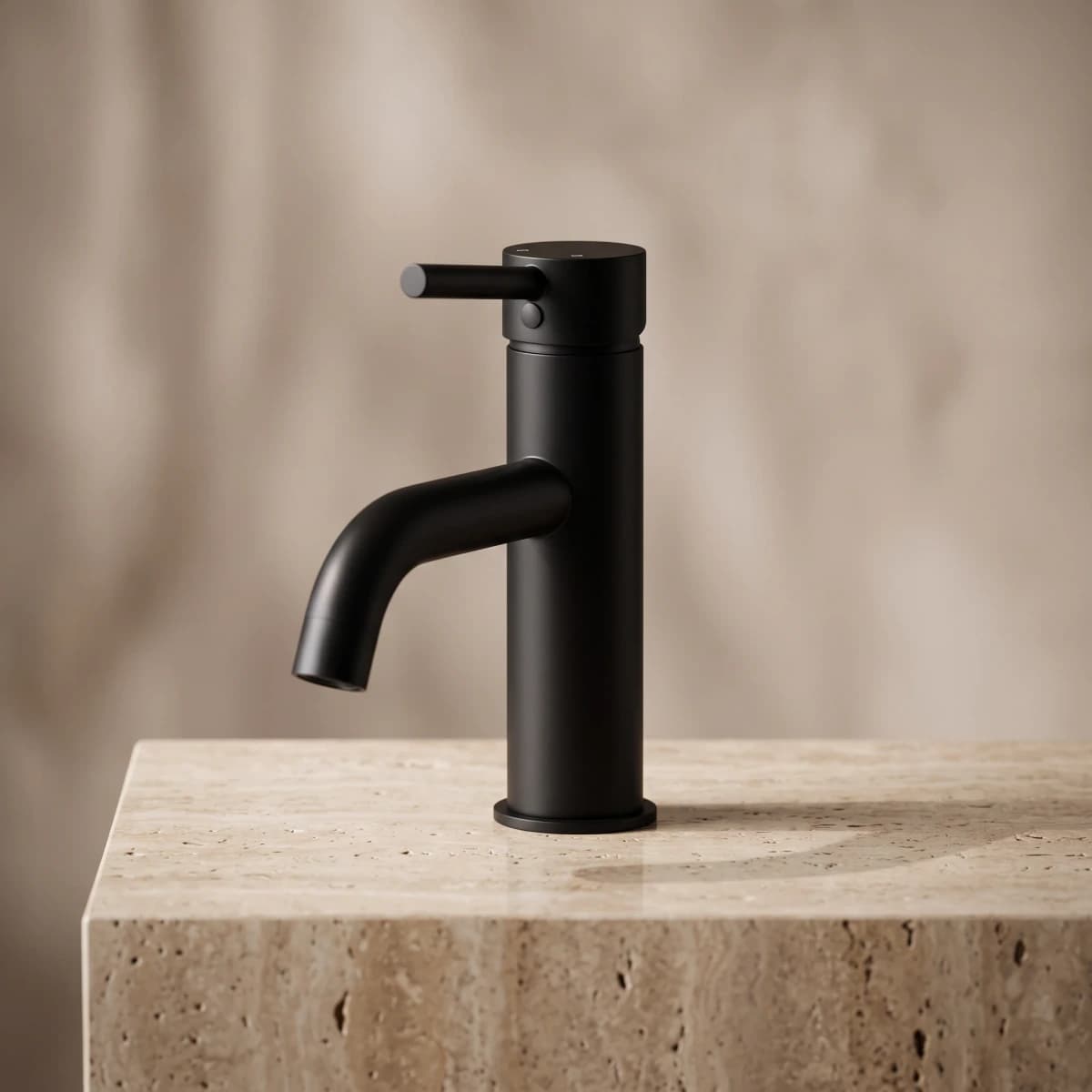
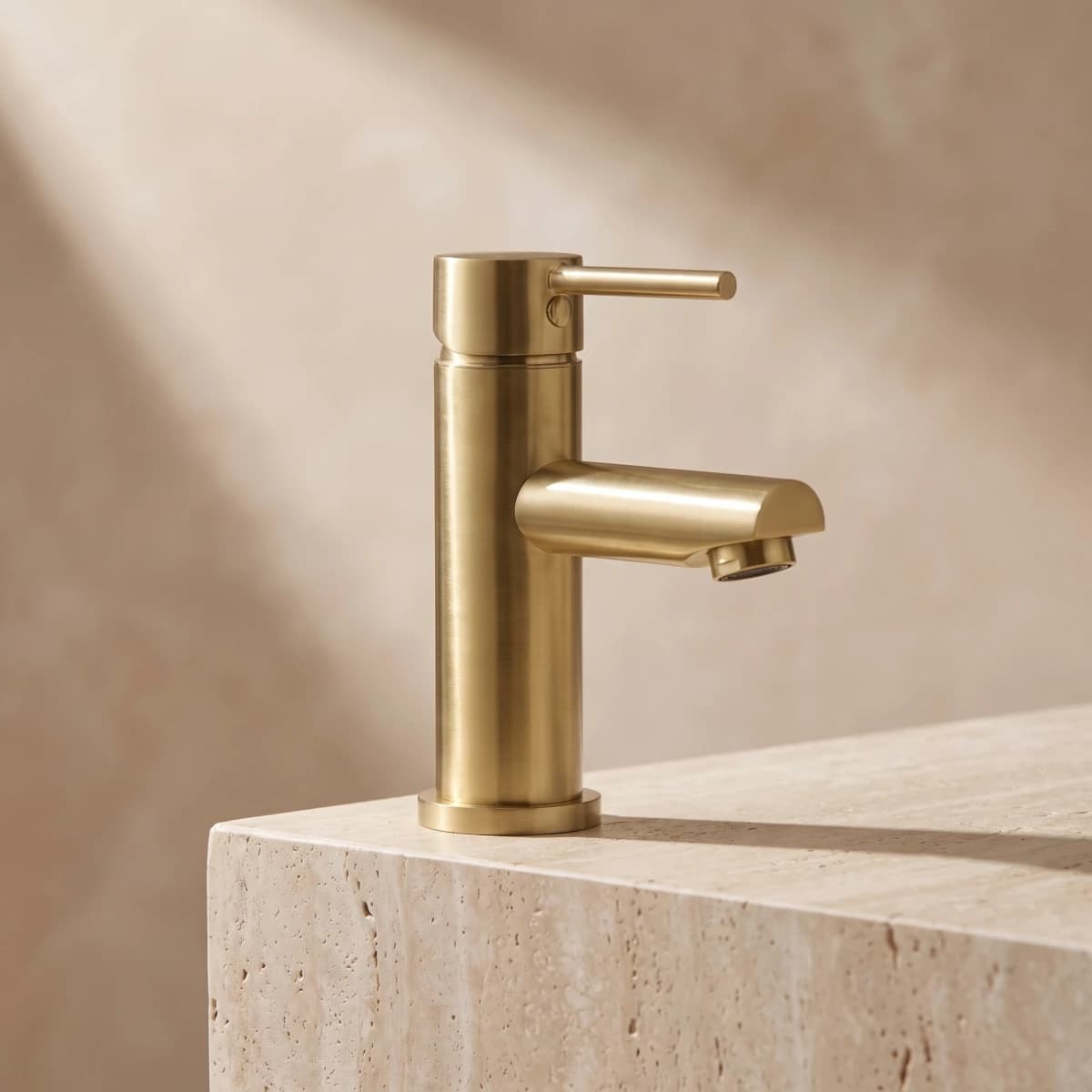
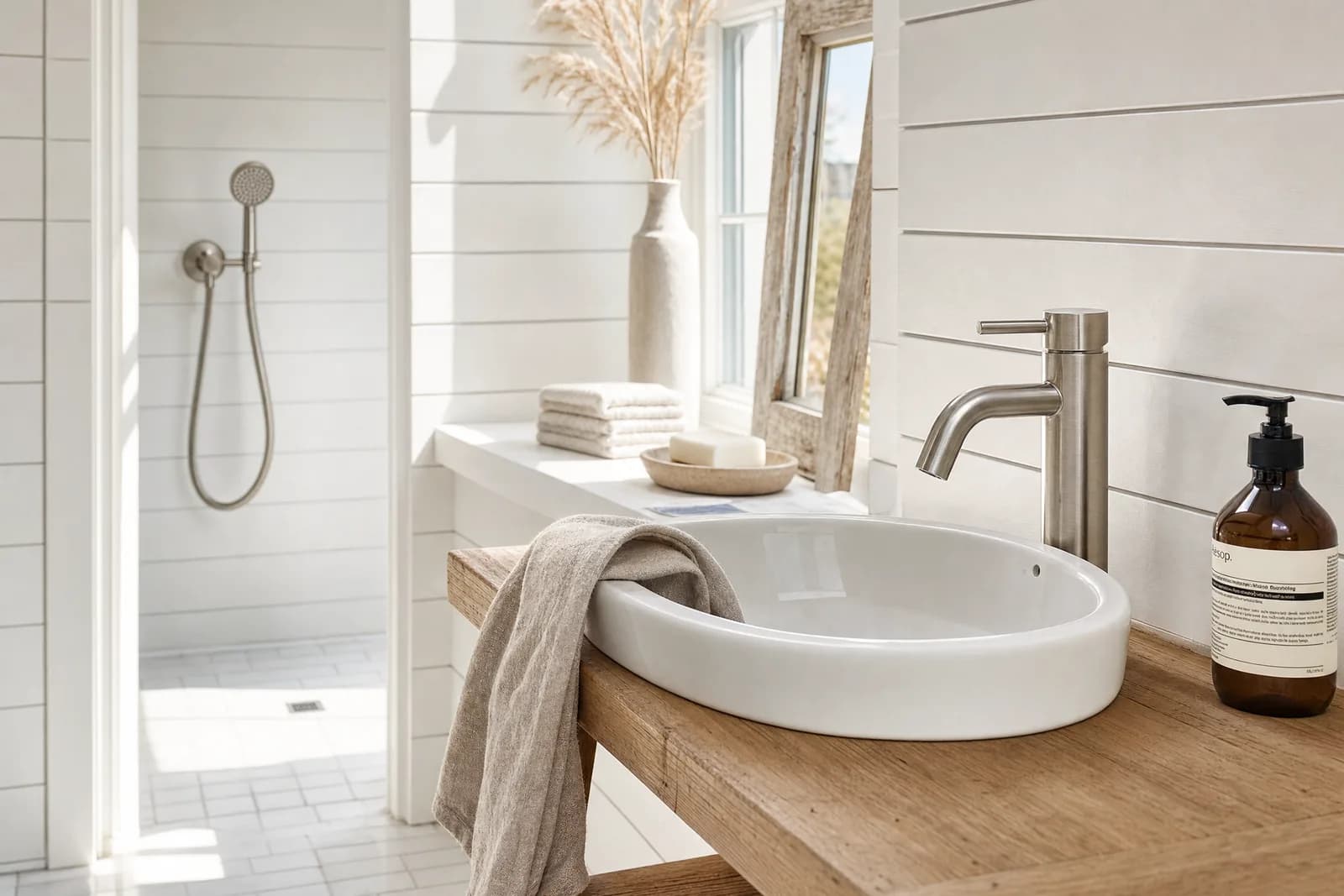
A basin mixer mounts directly through the basin or countertop and connects to the water supply with flexible hoses underneath. It's the most common style in Australian bathrooms because it's straightforward to install and doesn't require moving pipework inside the wall — which makes it the natural choice for a like-for-like replacement or a renovation that isn't opening up the walls.
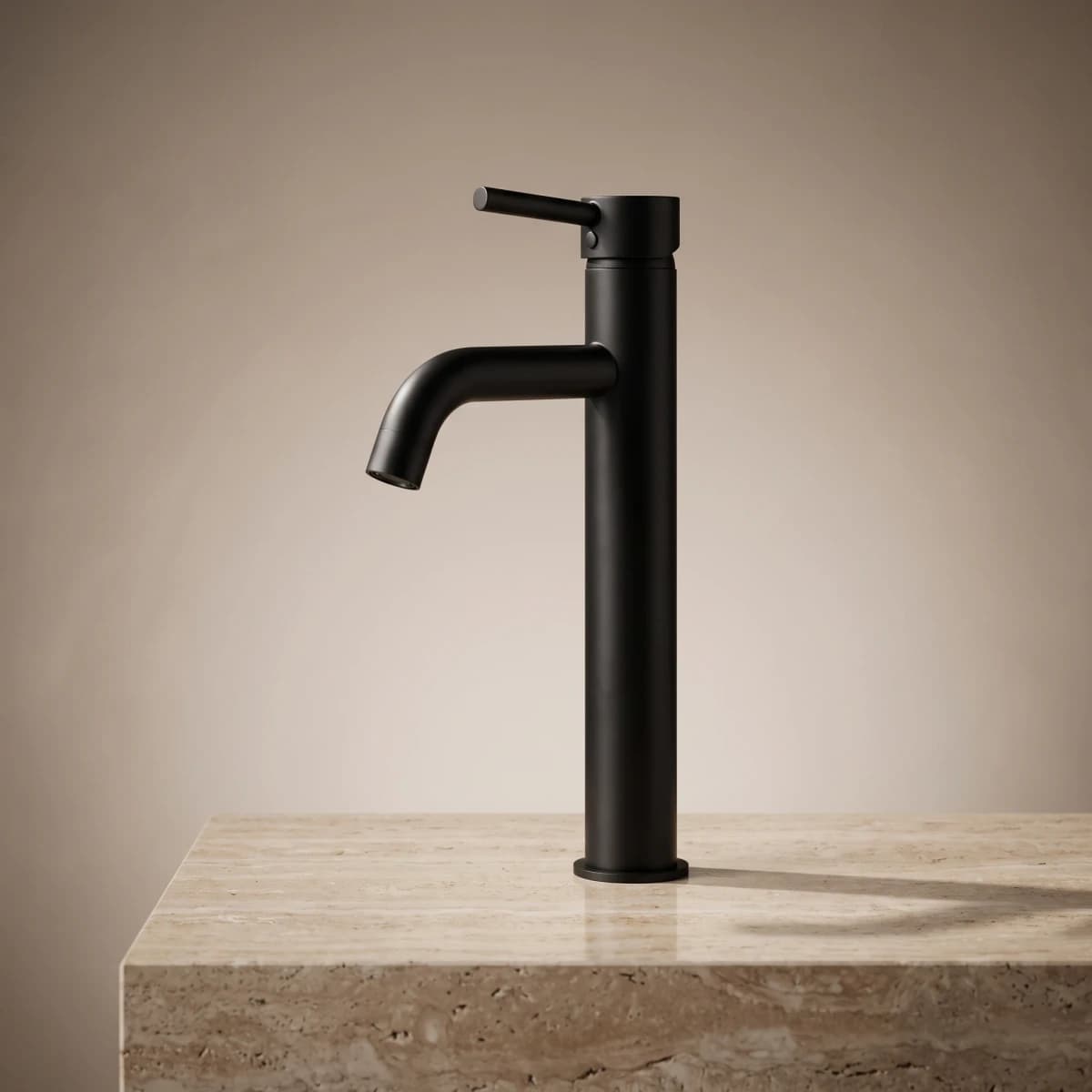
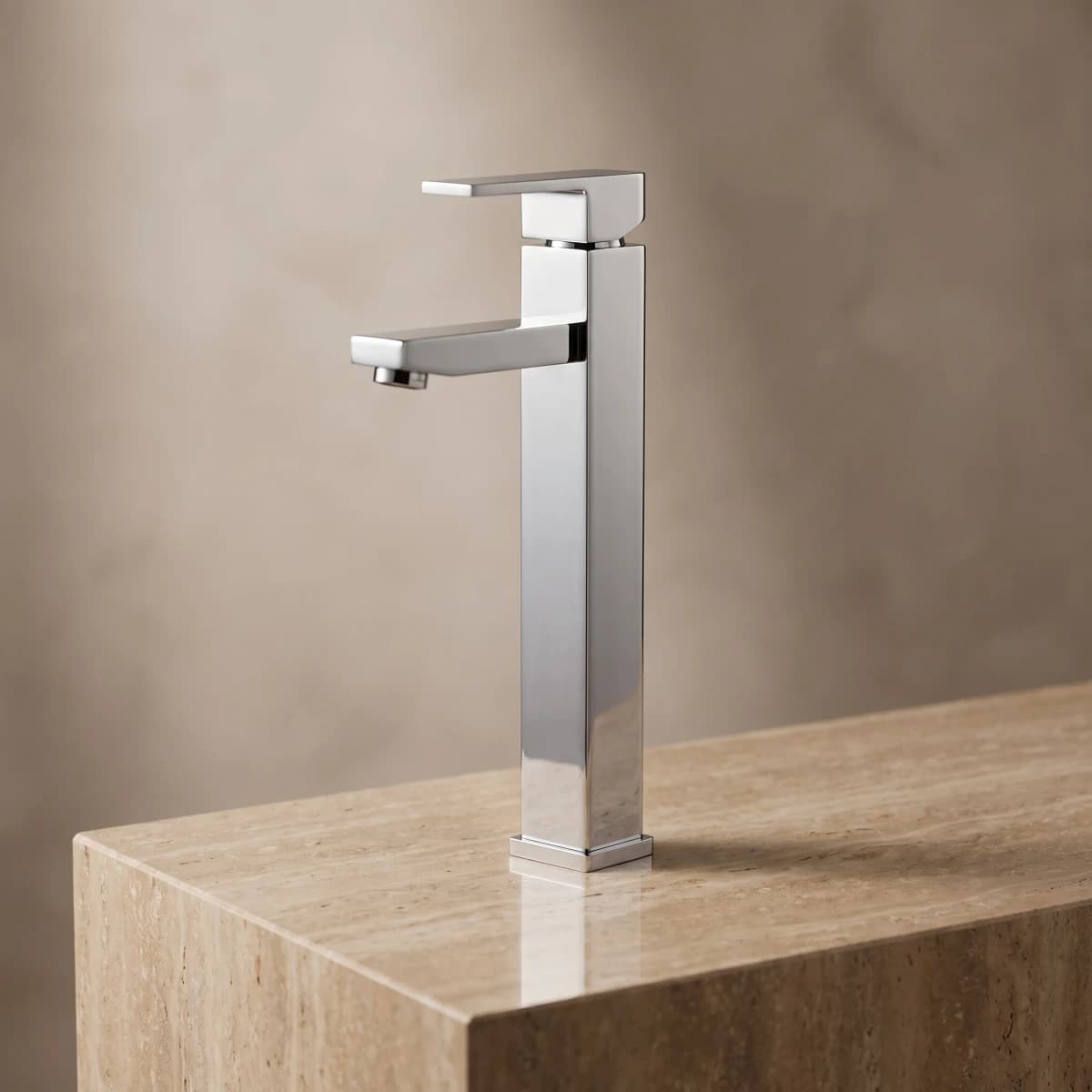
Within basin mixers, height matters. A standard mixer like the Aquaro Round Basin Mixer 200mm suits a basin mounted at typical counter height; a tall basin mixer such as the Aquaro Round Tall Basin Mixer 320mm is built for above-counter vessel basins, where the extra height clears the raised rim. Every Aquaro tap also carries a 5 Star WELS rating. See our WELS ratings guide for what that means in practice.
Wall mixers: planned in, not bolted on
A wall mixer's body sits inside the wall, with only the spout and handle(s) exposed. It needs the water supply roughed in at a specific height before the wall is tiled or sheeted — which means it has to be planned early, either in a new build or a renovation that's already down to the studs. In exchange, you get a distinctly cleaner look: nothing on the benchtop, an easier surface to wipe down, and a more architectural, gallery-like line to the basin itself.
Which suits a vessel or above-counter basin?
This is where the choice matters most. An above-counter vessel basin — like the Aquaro Oval Basin — sits proud of the counter, so a standard-height deck mixer can end up too short or too close to the bowl. A tall basin mixer or a wall mixer with sufficient spout reach both work well; which one comes down to whether you'd rather keep the plumbing simple (tall basin mixer) or keep the counter completely clear (wall mixer).
Renovation or new build?
- Straight swap, same basin position: a basin mixer is almost always the simpler, lower-cost option.
- Full bathroom renovation, walls opened up: either works — this is the point where a wall mixer becomes realistic if you want the look.
- New build: wall mixers are easiest to plan for from the start, since the rough-in height is just another spec on the plumbing drawing.
What it means for cost and timeline
A basin mixer swap is typically a same-day job — turn off the water, disconnect the old hoses, connect the new mixer, done. A wall mixer adds a rough-in stage that has to happen before tiling: a plumber sets the in-wall body and outlet at the correct height, it gets pressure-tested, and only then does the wall get closed up and tiled. That earlier step is where most of the added cost and lead time comes from, not the final fit-off — which is one reason wall mixers suit a planned renovation far better than a quick refresh.
Matching the rest of the tapware
Whichever style you choose for the basin, it's worth choosing the same style consistently through the room — a wall-mounted basin mixer alongside a deck-mounted bath spout can look unplanned, even in a finish that otherwise matches perfectly. If you're mixing a freestanding bath with a vessel basin, a wall mixer at both fixtures usually reads as the more considered, cohesive choice. See our tapware finish guide for how to choose a finish that works across the whole room.
Shop the range
Browse basin mixers, tall basin mixers and wall mixers side by side in Bathroom Tapware — every product page lists spout height and reach, so you can check the fit against your basin before you buy. If you're replacing an existing mixer, our measuring guide covers exactly what to check first.
Frequently asked questions
- Can I replace a wall mixer with a basin mixer without replumbing?
- Generally no. A wall mixer's water supply is capped inside the wall at a fixed height, while a basin mixer needs supply lines running up through the benchtop or basin — swapping between the two styles almost always means moving pipework, which is licensed plumbing work in Australia.
- Do wall mixers cost more to install?
- Usually, yes, if it's not already set up for one — the in-wall rough-in plumbing is more involved than connecting flexible hoses to a deck-mounted mixer, and it has to happen before the wall is tiled. It's a much smaller cost difference in a new build than in a retrofit.
- What tap height suits a vessel or above-counter basin?
- A tall basin mixer or a wall mixer with a longer spout is usually the better fit — a standard-height deck mixer is often designed for basins mounted lower, and can sit too close to the rim of a raised vessel basin. Check the spout height and reach listed on the product's spec sheet against your basin's rim height before buying.
- Which is easier to keep clean?
- Wall mixers, generally — with no tap body sitting on the counter, there's less to clean around and no base seal that can trap grime over time. It's a minor factor, but one worth weighing if low-maintenance benchtops are a priority.