Installation & Care
How to Measure for Replacement Tapware and Shower Heads: An Australian Sizing Guide
The Aquaro Team · 14 August 2026 · 4 min read
Getting the measurements right before you buy saves a return, a delay, or — worse — tiling around a mixer that ends up in the wrong spot. Here's exactly what to check for each fixture type, and where the line sits between a job you can measure yourself and one that needs a licensed plumber.
Before you start
Turn off the water supply before removing any existing fixture, even just to take a measurement. And know the boundary up front: in every Australian state, connecting to or altering the water supply is licensed plumbing work. Measuring and choosing a replacement is something any homeowner can do — the actual installation of tapware (as opposed to a like-for-like shower head swap on an existing arm) generally isn't a DIY job.
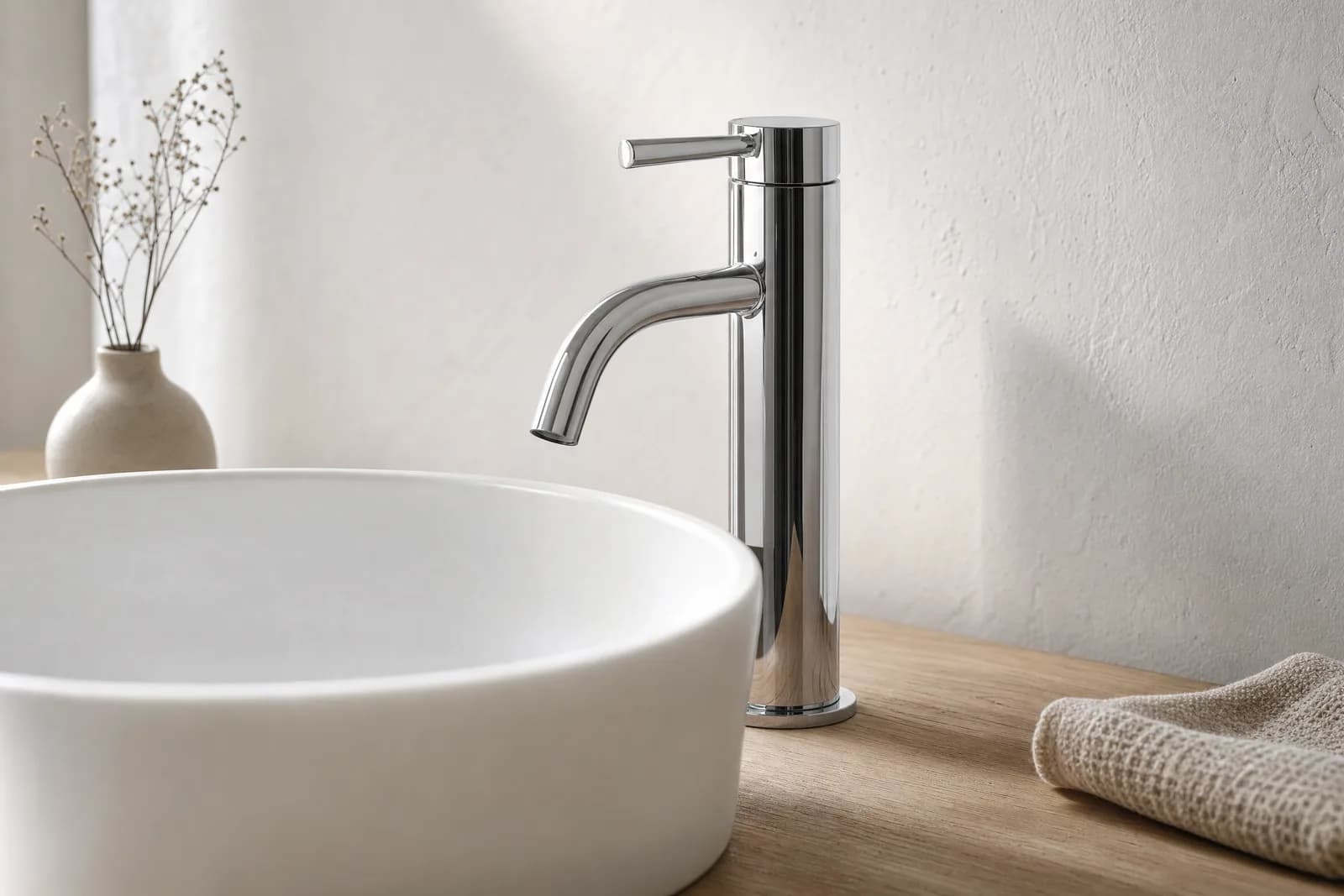
Measuring a basin tap or mixer
Two numbers matter most:
- Hole spacing — how many tap holes your basin has, and how far apart. A single-hole basin needs a monobloc mixer; a 3-hole basin needs a widespread set (or a monobloc with a matching cover plate, where available).
- Spout reach and height — measure from the tap's mounting point to the centre of the basin's drain, and check that against the mixer's listed spout reach so the water actually lands in the bowl, not the rim.
For an above-counter vessel basin, also check spout height above the mounting surface — see our basin mixer vs wall mixer guide for why standard-height mixers often don't suit raised basins. The same two measurements apply to a kitchen sink mixer. See our kitchen tapware guide for style options once you've confirmed the fit.
Measuring for a wall mixer
Wall mixer rough-in height and spacing has to be set before the wall is tiled, so this measurement happens at the plumbing rough-in stage, not once the bathroom is finished. Confirm the exact outlet height and any horizontal spacing (for widespread wall-mounted taps) directly against the product's spec sheet with your plumber before the wall is closed up — there's no fixing this after the fact without opening the wall again. A model like the Aquaro Wall Mixer lists its exact outlet height on the spec sheet, which is the number to hand your plumber before tiling.
Measuring a shower head or rail
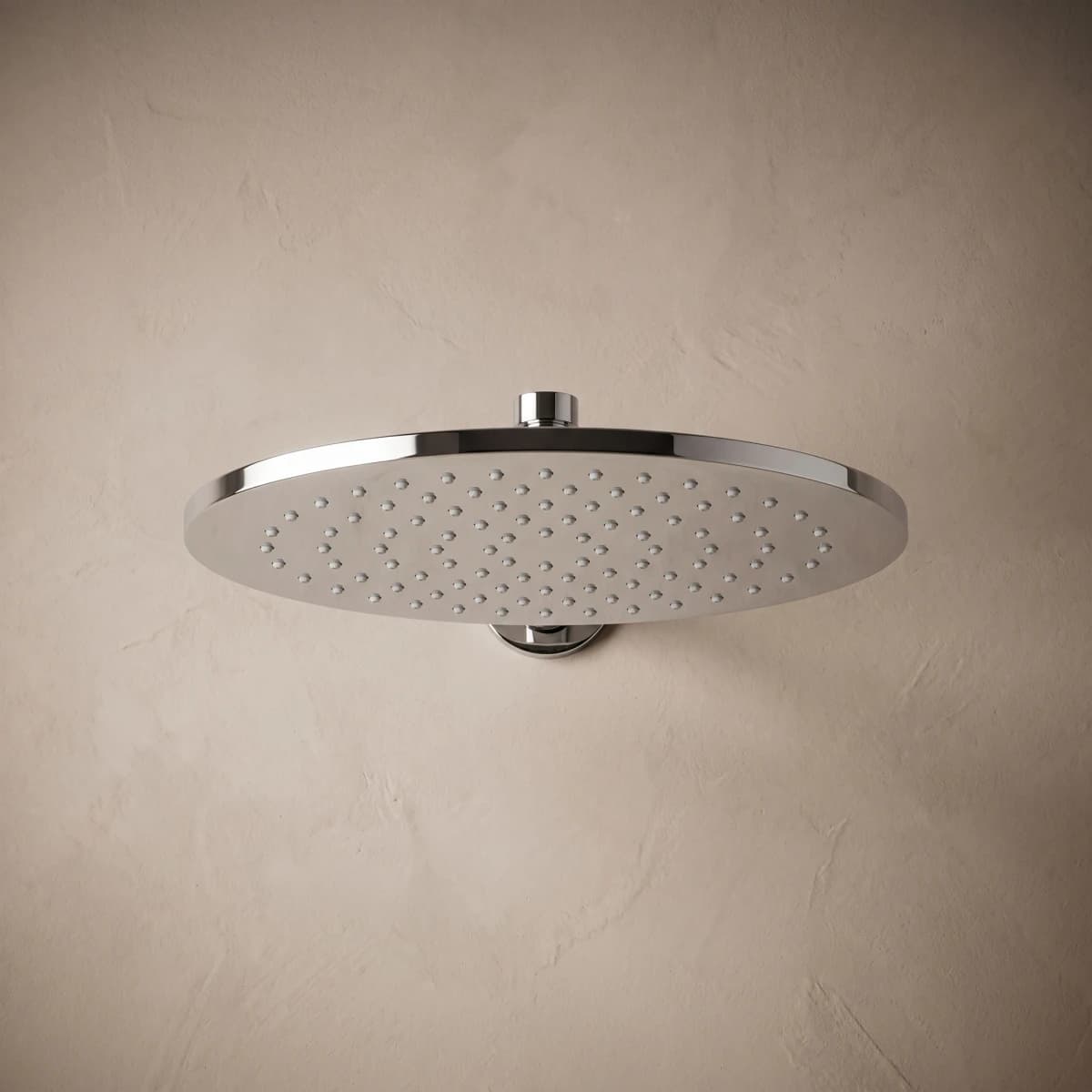
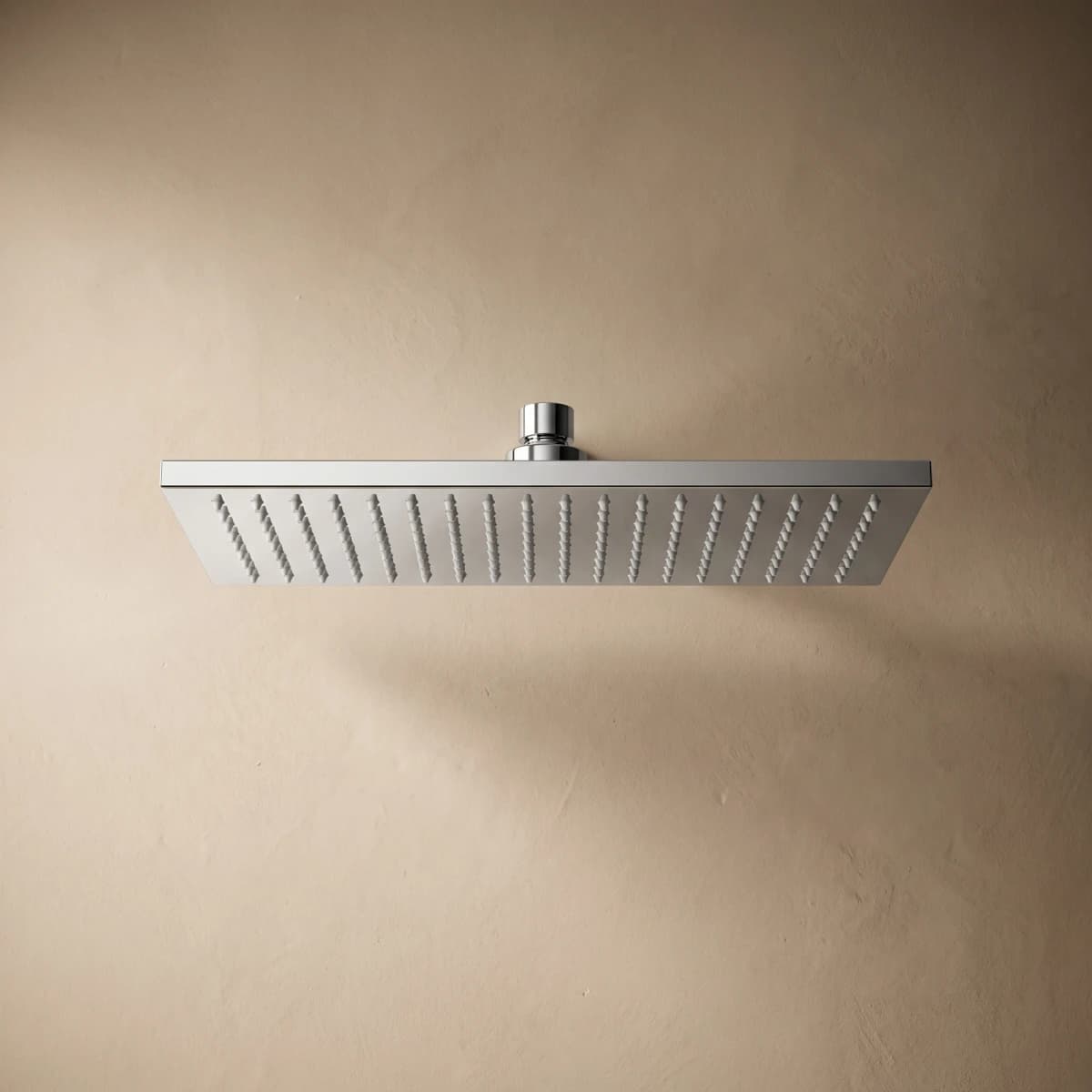
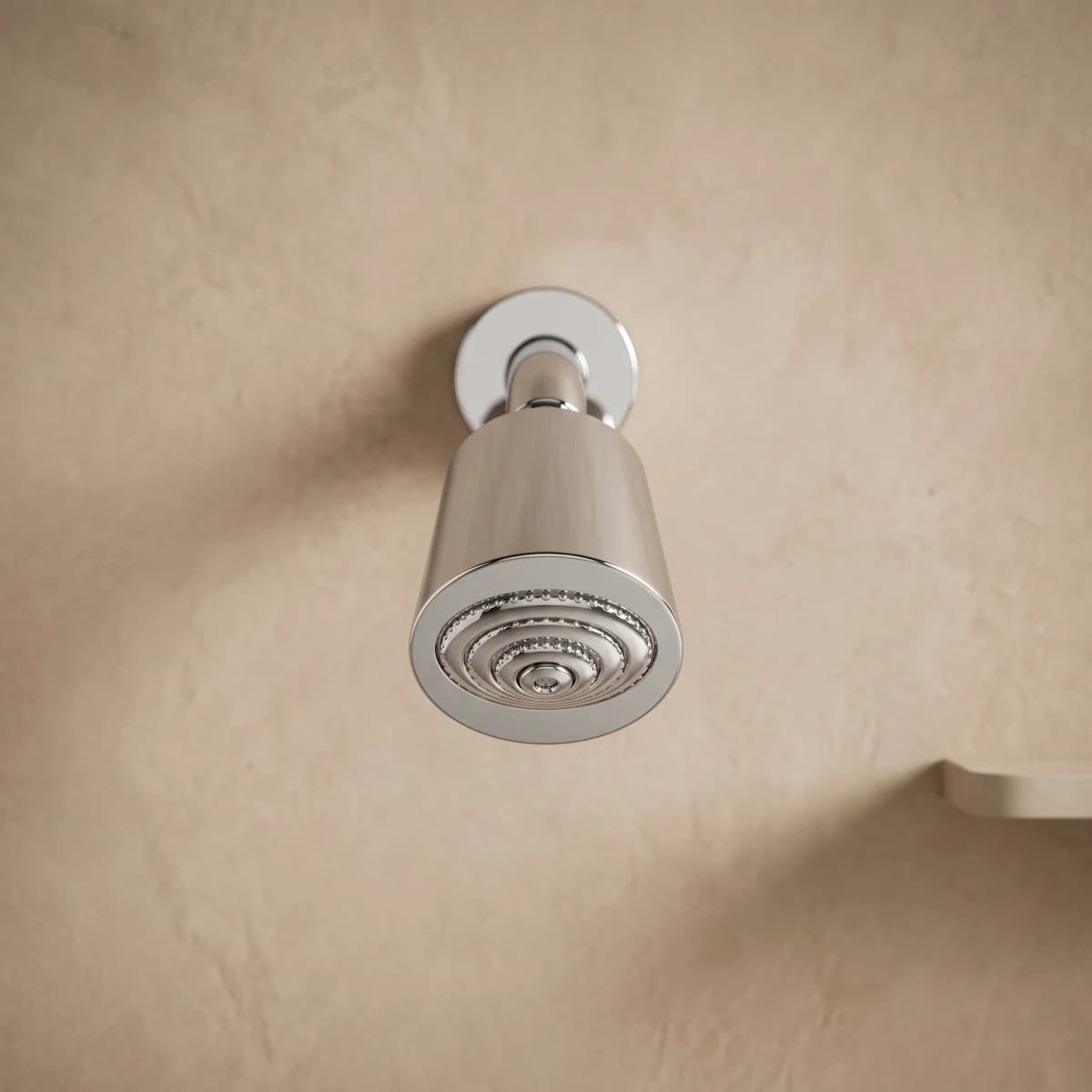
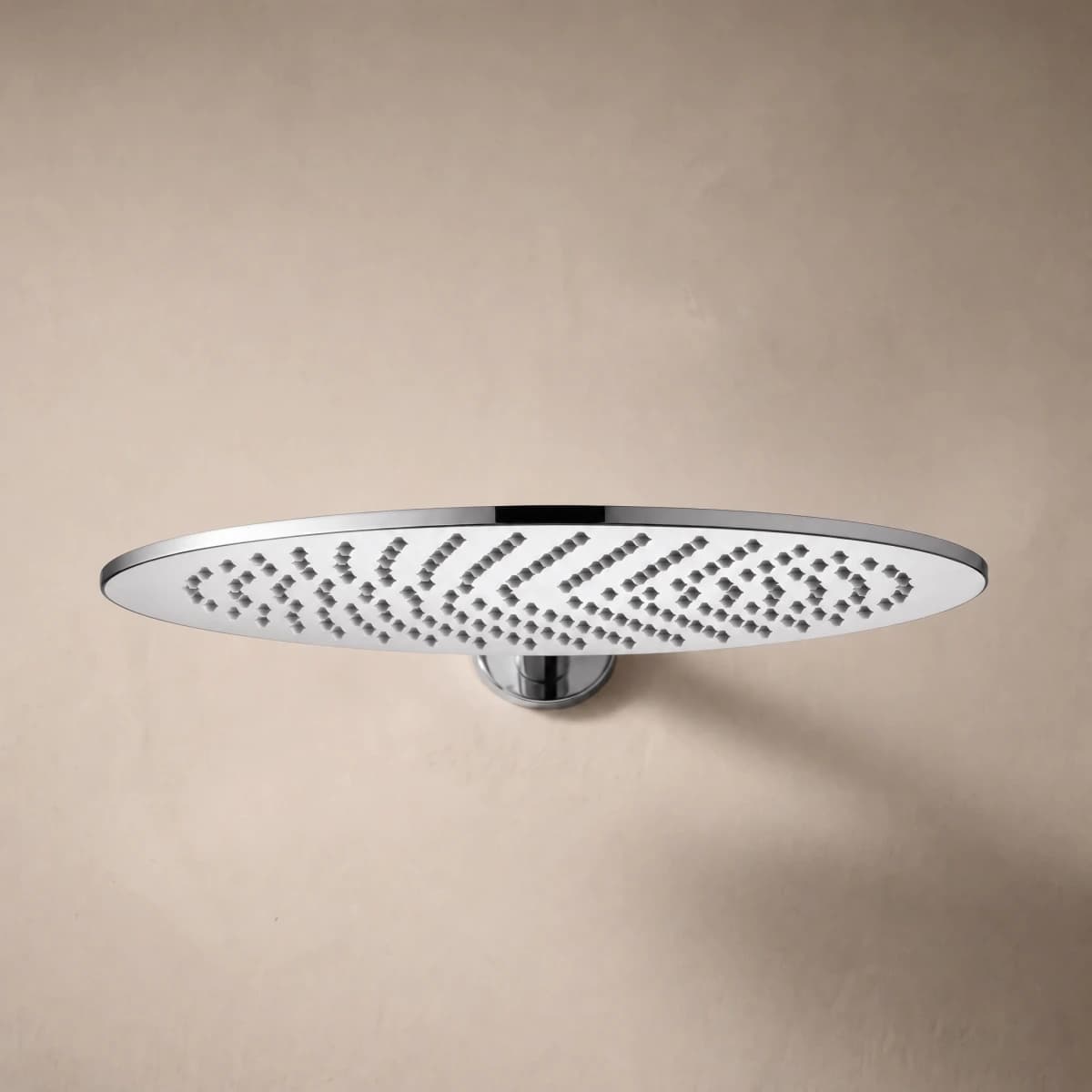
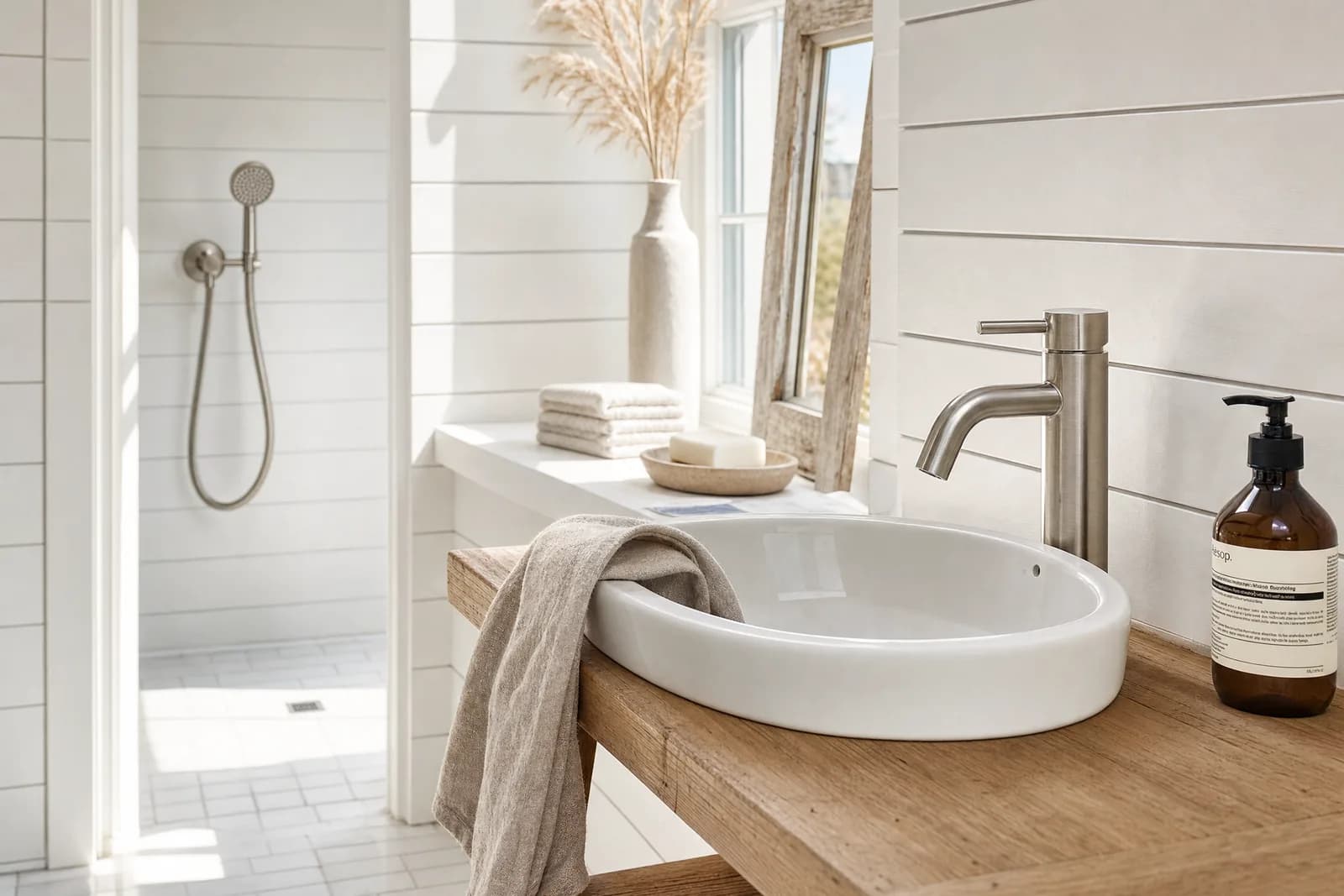
If you're replacing a fixed shower head on an existing arm, check the arm's thread size (see below) and the shower head's own diameter against your available clearance — particularly in a smaller enclosure. For a rail shower, measure the full rail length you have available and the wall height from the shower base, so the slider has enough room to travel through a comfortable range. Every Aquaro shower head also carries a WELS rating. See our WELS ratings guide if flow rate is part of your decision.
Measuring a bath spout or bath/shower mixer
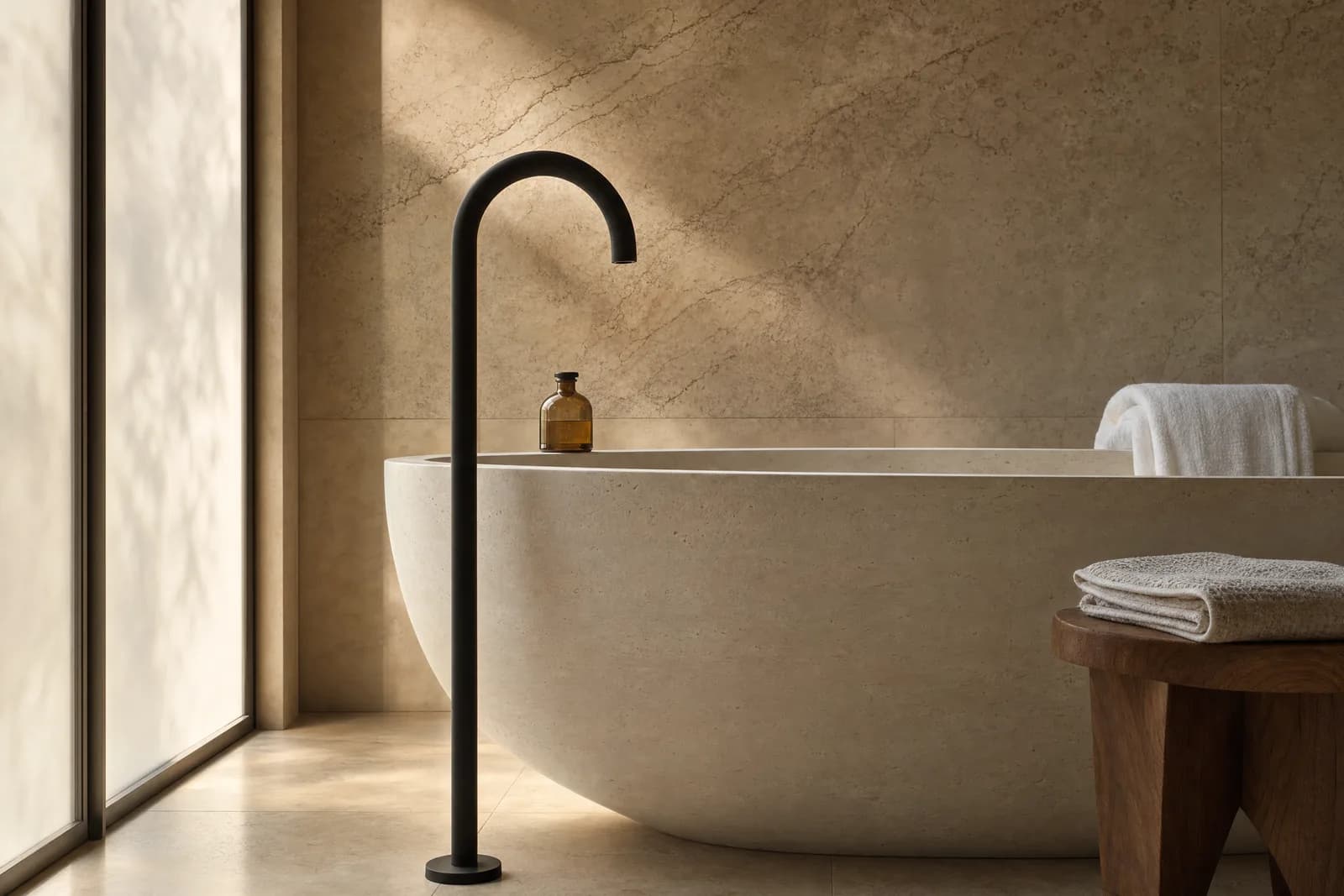
For a bath filler, measure from the tap's mounting point down to the top of the bath (or the overflow, if it has one) — the spout needs enough drop to clear the rim without water splashing back onto the deck. If the bath sits away from the wall, also check the spout's horizontal reach against the distance from the wall or deck mounting point to the centre of the bath, the same way you would for a basin. For a combined bath/shower mixer, the diverter height matters too — measure how high you'd comfortably want to reach to switch between bath and shower.
Thread sizes in Australia
Most Australian shower arms, hoses and fixed inlets use 1/2" BSP (British Standard Pipe) thread — it's the de facto standard here, which is why most Australian shower heads are sold as a straightforward like-for-like swap. Older properties or previously renovated bathrooms can occasionally differ, so if a new fitting doesn't thread on cleanly by hand, don't force it — check the thread before assuming an adaptor will solve it.
Common measuring mistakes worth avoiding
- Measuring to the edge of the tap hole instead of its centre — hole spacing on a widespread set is always measured centre-to-centre, not edge-to-edge, which can throw a measurement out by a couple of centimetres.
- Forgetting benchtop thickness — a mixer's fixing kit only accommodates a certain range of benchtop or basin thickness; a very thick stone benchtop can need a longer fixing shank than the standard kit includes.
- Assuming an old rough-in height is still current — building conventions shift over time, so don't assume a wall mixer height from a much older bathroom is what a new fixture, or a new basin height, actually needs.
- Not checking clearance for handle swing — a lever handle needs room to travel through its full arc without hitting a splashback, mirror or adjacent tap; check this in a tight vanity layout before finalising a mixer.
Use the spec sheet
Every Aquaro product page includes a downloadable spec sheet with exact dimensions — hole spacing, spout reach and height, and rough-in measurements where relevant. It's the fastest way to confirm fit before you buy, and worth having on hand (or forwarding to your plumber) before installation day.
Shop shower heads and rails
Browse the full range in Shower Heads and Bathroom Tapware — each listing includes its spec sheet and WELS flow rate. If you're measuring up a whole bathroom, our tapware finish guide and heated towel rail buying guide cover the rest of the fixtures in the same room.
Frequently asked questions
- Can I install a new tap myself in Australia?
- Any work that involves connecting to or altering the water supply — including most tap and mixer replacements — legally needs to be done or signed off by a licensed plumber in every Australian state. Swapping a shower head on an existing, unmodified arm is usually fine as DIY; changing tapware generally isn't.
- What's the standard height for a wall-mounted basin mixer?
- There isn't a single fixed Australian standard — it depends on your basin height and the specific mixer's spout drop. As a general guide, the outlet typically sits somewhere around 200–250mm above the basin, but always check the individual product's spec sheet and confirm the exact rough-in height with your plumber before the wall is closed up.
- How do I know if my shower arm is 1/2 inch BSP?
- Most Australian shower arms and hoses use 1/2" BSP (British Standard Pipe) threads, which is the de facto standard here — but older or imported fittings can differ. If a new shower head doesn't thread on smoothly by hand, stop rather than forcing it, and check the thread size with a plumber before buying an adaptor.
- What if my measurements fall between two products?
- Round up rather than down for reach and height wherever there's a genuine choice — a spout that sits slightly further forward or higher than the minimum is rarely a problem, while one that's too short or too low can leave a mixer sitting awkwardly close to a basin or bath. If you're unsure, our spec sheets list exact dimensions, and you're welcome to get in touch before ordering.
Shop the range
View all →